
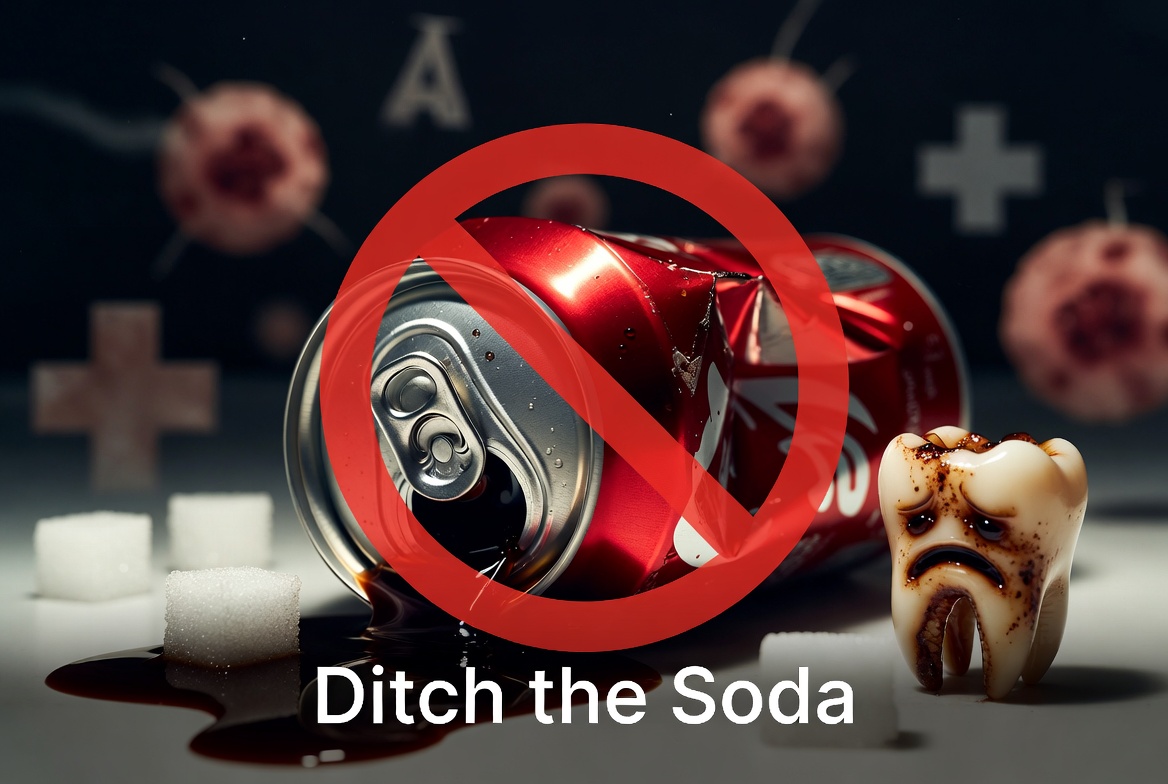
I have been warning family and friends for years about what soda did to me as a child — and why my doctor told my mother to take me off it right away. So let me be direct, the way a naturopathic doctor who has watched the long-term effects can be: step away from soda.
Is Soda Really That Bad for You?
In a word, yes — and the main culprit is what soda is sweetened with. High fructose corn syrup (HFCS), the primary sweetener in most sodas, has become the single largest source of calories in the American diet. According to USDA estimates, per-capita consumption reached around 40 pounds per year (as of 2007), the majority of it poured straight from soft drinks.
This was not an accident. Food and beverage manufacturers began switching from sucrose (table sugar) to corn syrup in the 1970s because it was cheaper to produce. HFCS is roughly 20 percent sweeter than table sugar, and it quietly reshaped how an entire country eats and drinks.
Why Soda Is So Hard on the Body
From a root-cause, naturopathic point of view, the problem with soda is not only the calories — it is what a flood of liquid sugar asks your body to do, day after day. A single can delivers a large dose of sugar with nothing to slow it down: no fiber, no protein, no fat. That can mean sharp blood-sugar spikes and crashes, extra work for the liver, and the kind of steady internal stress that, over years, many people feel as fatigue, cravings, stubborn weight, and that foggy, never-quite-right feeling.
None of this is about guilt. It is about understanding what your body is actually being handed several times a day — and realizing how much lighter it can feel without it.
The Good News: It Is One of the Easiest Changes You Can Make
Here is the encouraging part. Stepping away from soda is one of the single most powerful — and easiest — changes most people can make for their health. You do not need a complicated protocol. You just need a swap.
- Water first — add lemon, cucumber, or a splash of real fruit if plain feels boring.
- Herbal teas, hot or iced, for variety and comfort.
- Sparkling water if it is the fizz you crave.
- Go gradually if cold-turkey feels hard — even cutting back is a real win.
Most people are surprised how quickly their energy steadies and their cravings quiet once the daily sugar tide goes out.
Your Body Has Been Showing the Signs
Years of liquid sugar do not stay hidden — the body keeps the receipts. The same markers I read every day through Face, Tongue & Fingernail Analysis often reflect the strain of a high-sugar diet. If you have wondered why you feel off despite “normal” labs, the answer may be simpler — and more changeable — than you think. (New to the method? Start with our guide to tongue analysis.)
Frequently Asked Questions
Is soda bad for you?
Regular soda is high in liquid sugar — usually high fructose corn syrup — with no fiber, protein, or fat to balance it. Consumed daily, it places real stress on the body. Cutting back is one of the simplest ways to support your health.
Is high fructose corn syrup worse than regular sugar?
HFCS is about 20 percent sweeter than table sugar and is the dominant sweetener in soft drinks. Either way, a large daily dose of liquid sugar is hard on the body, so reducing both is wise.
Is diet soda a healthy alternative?
Swapping sugar for artificial sweeteners trades one set of concerns for another. Most people feel best moving toward water, herbal teas, and sparkling water rather than diet soda.
What should I drink instead of soda?
Water (plain or infused with fruit), herbal teas, and sparkling water are great everyday choices. Going gradually is perfectly fine.
Ready to Feel the Difference?
Stepping away from soda is a small change with an outsized payoff. If you want to understand what your body has been trying to tell you — and support it naturally — Naturopathic Doctor Randi Shannon, N.D. can help.
Book a consultation, explore Face, Tongue & Fingernail Analysis, or learn the method yourself in the Masterclass.
Disclaimer: This article is for educational purposes only. It is not intended to diagnose, treat, cure, or prevent any disease. Consult your physician for personalized medical advice.
The information in this article is for educational purposes only, is not medical advice, and is not intended to diagnose, treat, cure, or prevent any disease. Traditional naturopathic services are complementary and are not a substitute for licensed medical care; Dr. Randi Shannon is a Traditional Naturopathic Doctor and Certified Natural Health Professional (Trinity School of Natural Health), not a licensed physician. Always consult your physician before making health decisions.